

Welcome to my portfolio
I will be showcasing some of the work I completed in class. Each title box includes its own photos and information explaining why I chose it and what it represented.
Photos: Fall 2026

Low Perspective
This is my low-perspective photo; I took this outside my college campus. A Low POV is a composition captured from a camera position placed below normal eye level, with the lens typically tilted upward toward the subject.

High Perspective
This is my high-perspective photo; I took this inside my dorm building. A High POV is a compositional technique where the camera is placed higher than the subject and angled downward.

The Bull’s Eye
I really enjoy how the flower made this target or spotlight that catches your eye. I took this outside of my building. A bull's-eye is a composition mistake where the main subject is placed dead center in the frame.
Negative Space
The sky created perfect negative space, so you only see the building. Negative space is a compositional style that uses the empty or unoccupied area around a main subject to draw focus, create balance, and convey mood.


Background Control
I really don't know if they are blueberries or not, but the background control made the berry pop out very clearly and cleanly. Using background control is using Manage, Isolate, or Eliminate elements behind the main subject to create a clean, intentional, and distraction-free composition.
Symmetry
I love how this window made this perfectly symmetrical piece; if you cut it in half, it will look the same. Symmetry is a compositional technique where one side of an image mirrors or closely matches the other.


Repetition
I took this photo from my roommate's drawer. The balance of this photo made it so good from my point of view. Repetition is when you feature recurring elements. Such as shapes, colors, lines, or subjects within the same frame.
Head-On
This is my pet cat, Sven. Such a cute boy, with his beautiful eyes staring right at you. A head-on shot is where the camera and subject face each other directly in a straight line, with no sideways rotation or tilt.


The Rule of Thirds
This can be a perfect symmetry, but the rule of thirds is way better. The rule of thirds is a composition guideline that divides an image into a 3x3 grid using two horizontal and two vertical lines to help position subjects more dynamically than a dead-center frame.
My latest work
Today I will be showing my RAW photos for ISO (High & Low), Shutter speed (Fast & Slow), F/Stop (High & Low), Lighting (Side, Top, Back, Combination), and lastly Colors/ B&W.

ISO High (3200)
A high ISO setting of 1600, 3200, or higher, which makes your camera's digital sensor or film very sensitive to light.
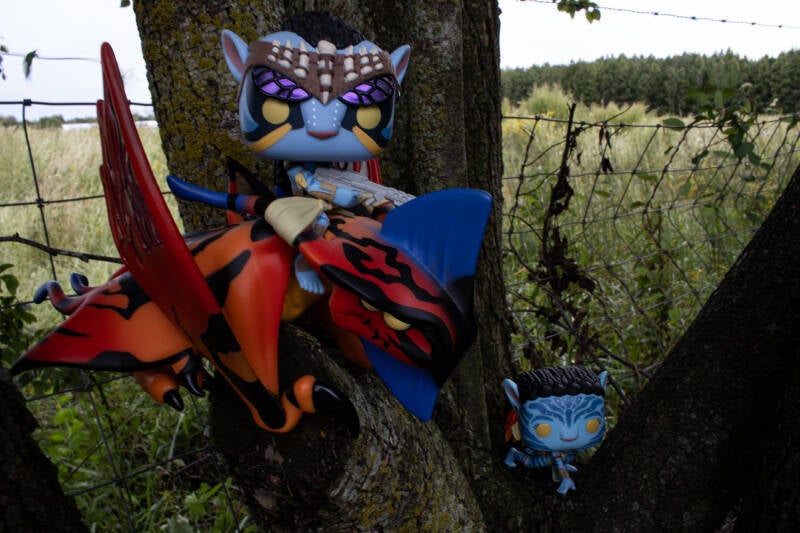
ISO Low (100)
A low ISO, such as ISO 100 or 200, is a camera setting that makes your sensor less sensitive to light, resulting in clean, high-quality images with minimal grain
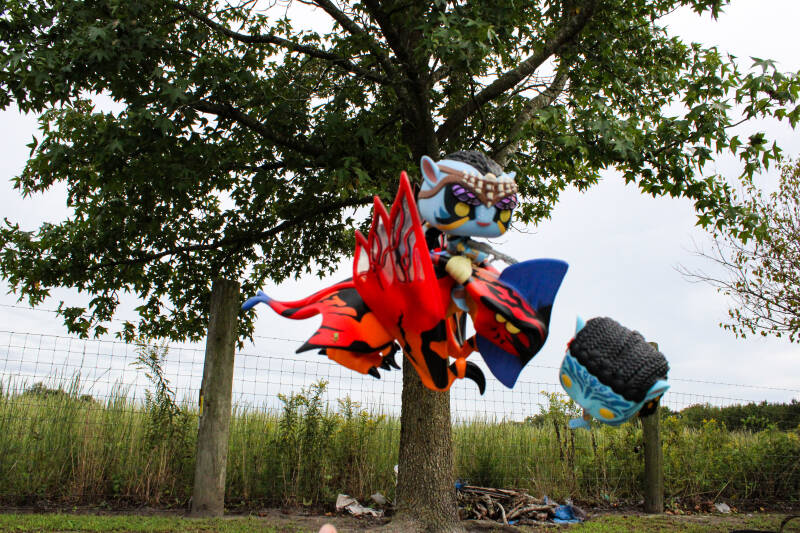
Shutter Speed Fast
A fast shutter speed in photography is a brief exposure time, typically anything from 1/500th of a second to 1/8000th of a second or faster.It opens and closes the camera curtain almost instantly
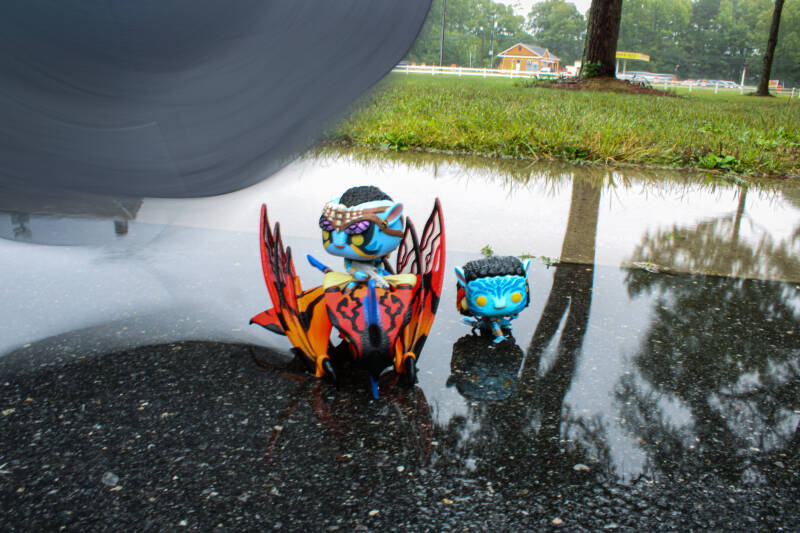
Shutter Speed Slow
A slow shutter speed is a camera setting that keeps the shutter open for an extended period, allowing more light to reach the camera sensor and creating intentional motion blur for moving subjects.

F/stop High
A high f-stop (such as f/16 or f/22) means the physical opening inside your camera lens is very small, which lets in less light and creates a deep depth of field where most of the scene stays in sharp focus.

F/stop Low
A low f-stop in photography means a wide lens opening that lets in a lot of light and creates a blurry background.

Monochromatic color
A monochromatic color photograph uses different shades, tints, and tones of a single color.
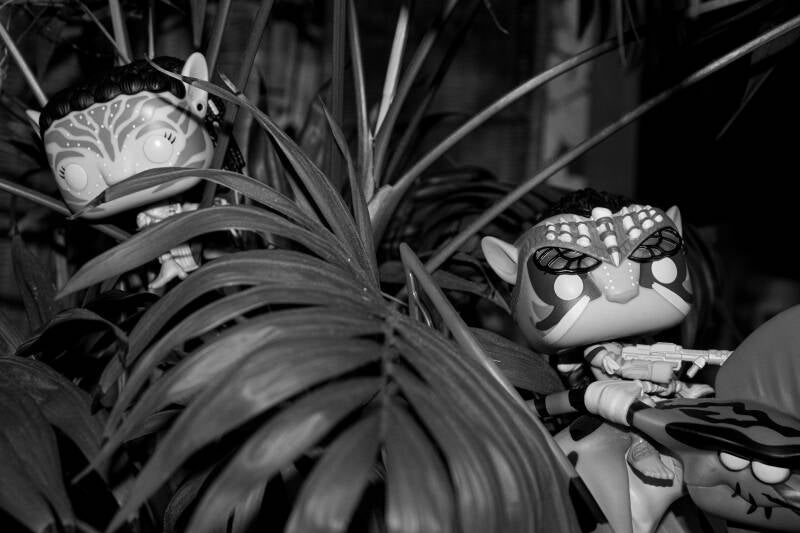
Black & White
Black and white (B&W) photography is an artistic style that uses only shades of gray.
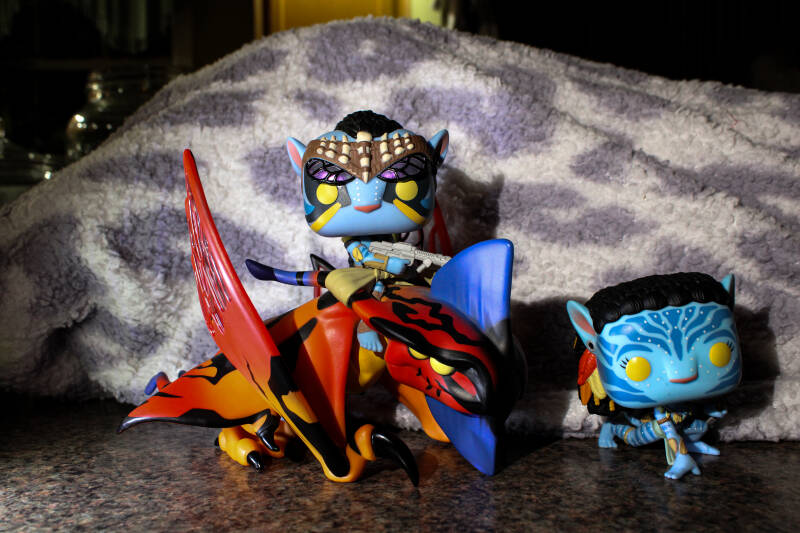
Combination of Light
This is where I combined Hard light with Side light.
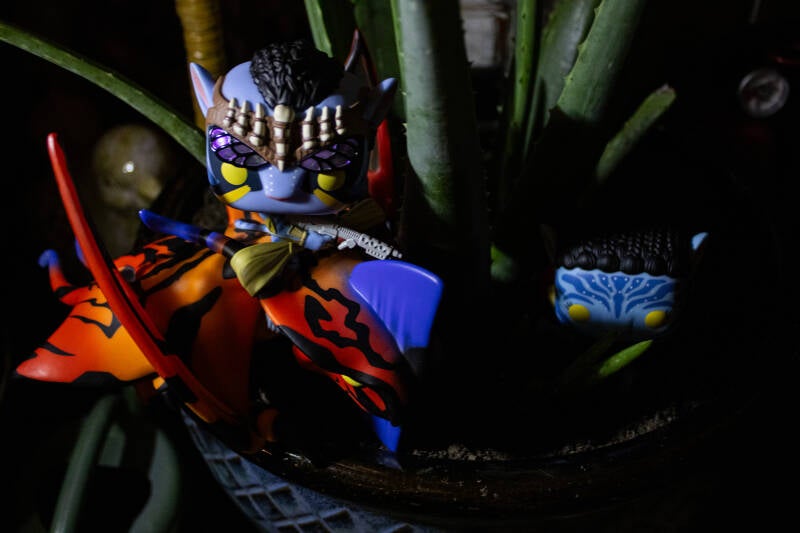
Side Lighting
Side lighting is a technique where the light source is placed to one side of the subject, illuminating one half while leaving the other half in shadow.
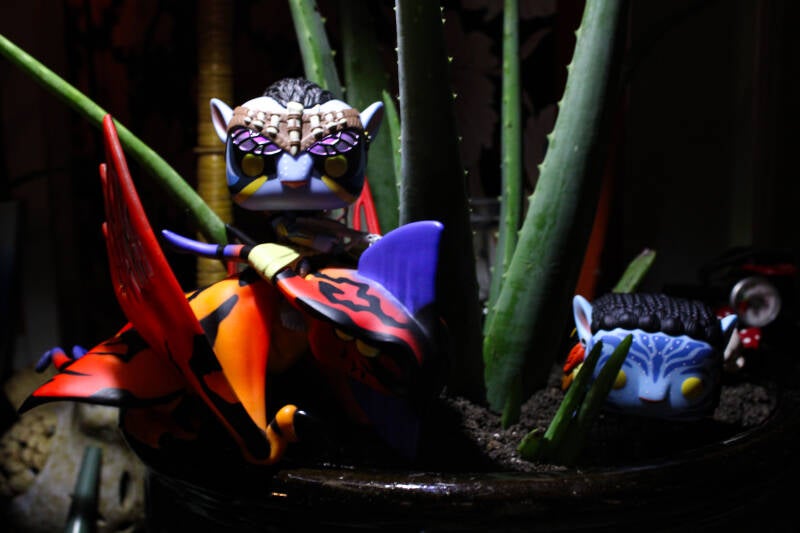
Top Lighting
Top lighting is a setup in which the main light source is positioned directly above the subject, casting downward shadows.

Back Lighting
Backlighting is a lighting technique in which the primary light source is placed behind the subject and directed toward the camera.
Create Your Own Website With Webador